Phone:
+91-9800003739
Address:
Delhi, India

Phone:
+91-9800003739
Address:
Delhi, India
Whether you’re launching a streetwear label, printing corporate uniforms, or ordering custom merch for an event, the printing method and fabric you choose will make or break the final product. At Merquely, we get asked almost daily: “Which print type is best for my design?” and “What fabric should I pick?”
This guide breaks down everything — from DTG to embroidery, and cotton to Lycra — so you can make an informed decision before placing your next order.
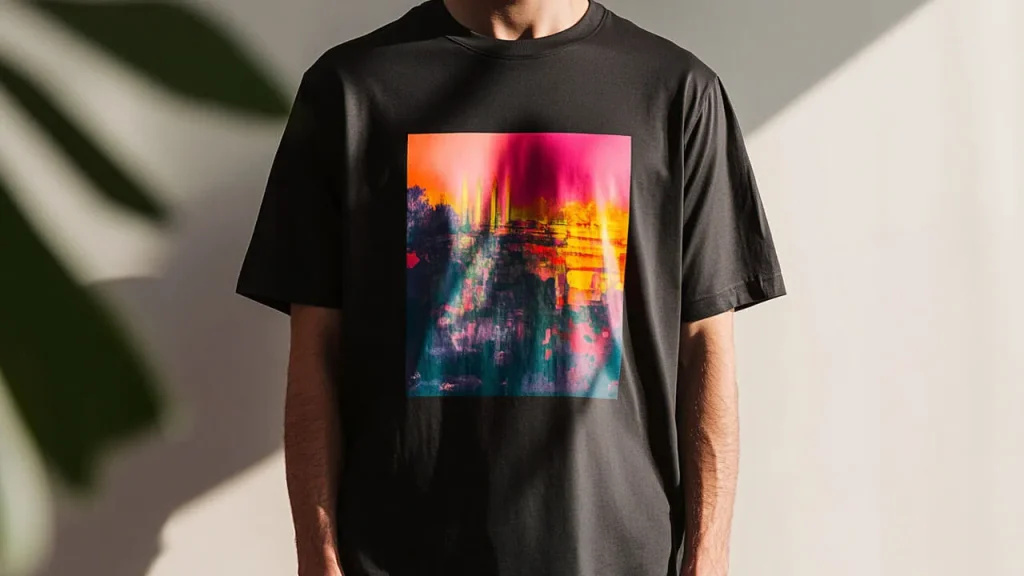
DTG printing works like an inkjet printer, but instead of paper, it prints directly onto the fabric using specialized water-based inks. The garment is loaded onto a flatbed, and the printer applies the design layer by layer, directly into the fibers.
Best for:
Limitations:
Choose DTG if: you need a small quantity of highly detailed, colorful designs on cotton tees.
DTF is one of the newer methods and has quickly become a favorite for small businesses and custom merch sellers. The design is printed onto a special PET film using DTF inks, coated with a hot-melt adhesive powder, and then heat-pressed onto the garment. Unlike DTG, the design isn’t printed directly onto the fabric — it’s transferred onto it.
Best for:
Limitations:
Choose DTF if: you want DTG-like detail and color but need it to work across multiple fabric types (including dark garments and blends), with a faster and often more affordable setup for small orders.
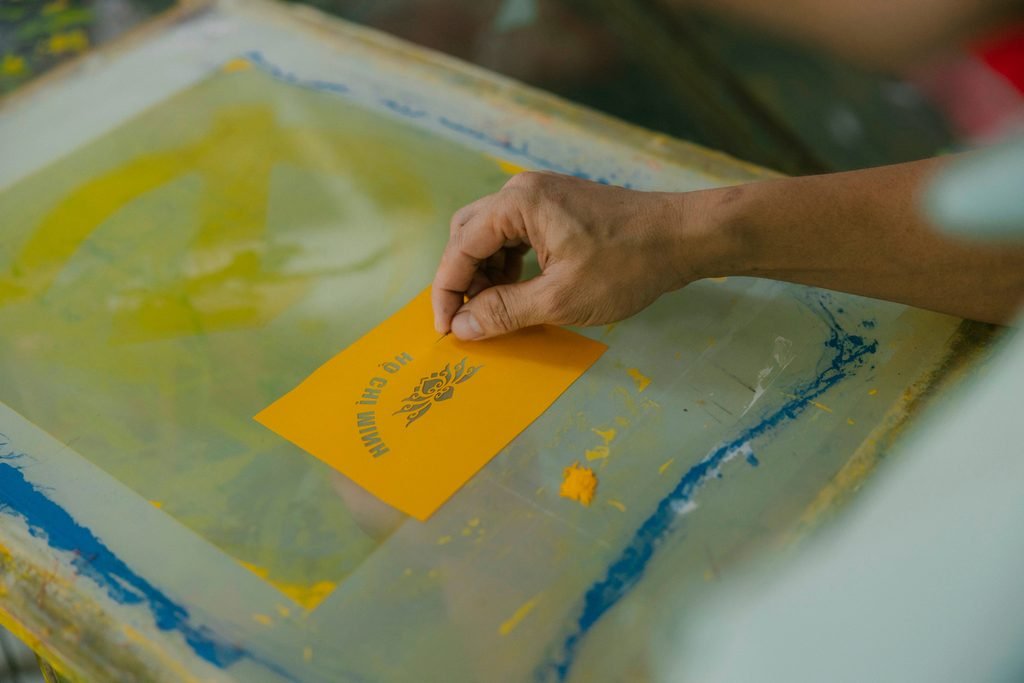
Screen printing is the traditional, industry-standard method. A mesh stencil (screen) is created for each color in the design, and ink is pushed through the screen onto the fabric using a squeegee. Each color requires a separate screen.
Best for:
Limitations:
Choose screen printing if: you’re printing 50+ pieces of the same design and want durability at a lower per-unit cost.
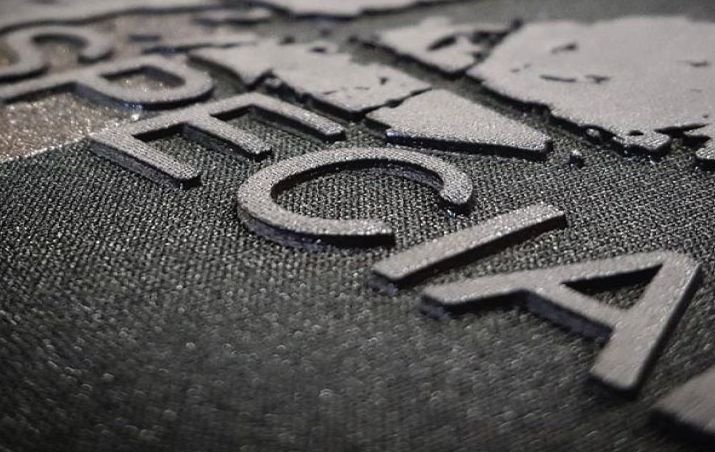
Rubber print — technically a type of screen printing using plastisol ink — creates a raised, slightly glossy, rubber-like texture on the fabric surface. It’s popular for logos, numbers on jerseys, and bold typography.
Best for:
Limitations:
Choose rubber print if: you want bold, tactile branding that pops visually, especially on dark or colored garments.
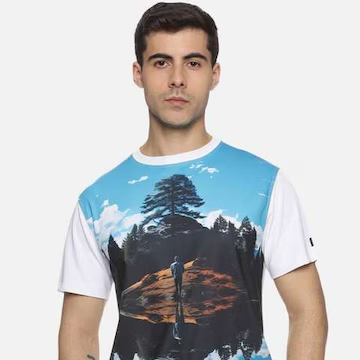
Dye sublimation uses heat to turn special dyes into a gas, which then bonds permanently with polyester fibers at a molecular level. The design becomes part of the fabric rather than a layer on top of it — there’s zero texture, and it never cracks, peels, or fades from washing.
Best for:
Limitations:
Choose dye sublimation if: you’re producing sportswear, jerseys, or all-over-print merchandise on polyester fabric.
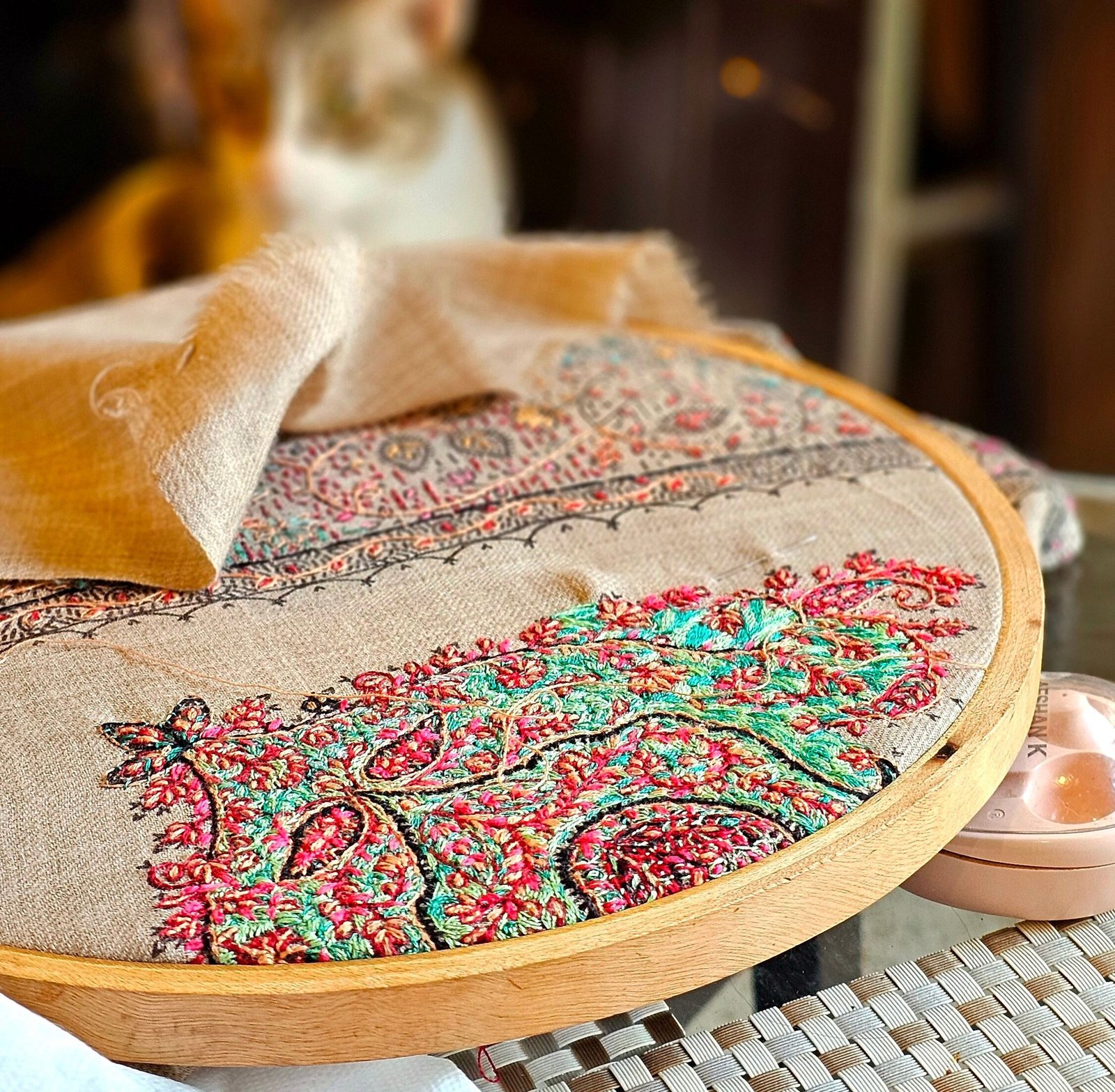
Embroidery doesn’t use ink at all — it stitches your design directly into the fabric using colored thread, typically with a computerized embroidery machine. It’s the go-to choice for a premium, professional look.
Best for:
Limitations:
Choose embroidery if: you want a long-lasting, premium look for corporate merchandise, caps, or uniforms.
| Your Need | Recommended Method |
|---|---|
| Small batch, photo-quality design | DTG |
| Bulk order, bold logo/design | Screen Printing |
| Raised, textured branding on dark fabric | Rubber Print |
| All-over design or sports jersey | Dye Sublimation |
| Premium corporate/cap branding | Embroidery |
A good rule of thumb: quantity and design complexity decide the method. Low quantity + detailed design → DTG. High quantity + simple design → screen printing. All-over patterns on activewear → sublimation. Long-term premium branding → embroidery.
The fabric isn’t just about comfort — it directly determines which printing method will even work, and how the final product looks and feels.
The most popular fabric for casual T-shirts and merchandise. It’s breathable, soft, and takes DTG and screen printing exceptionally well because the inks absorb into the natural fibers.
A thicker, brushed fabric (often cotton or cotton-poly blend) used for hoodies, sweatshirts, and winter wear. It provides warmth and a plush texture.
Used in sportswear and activewear, dry-fit fabric pulls sweat away from the body and dries quickly. It’s typically 100% polyester or a poly-spandex blend.
A synthetic, durable fabric often used for jackets, bags, and windbreakers. It’s water-resistant and strong but has a slick surface.
Known for its stretch, Lycra is blended with other fibers (like polyester or cotton) to make fitted, flexible garments — think leggings, compression wear, and swimwear.
GSM measures the weight and density of fabric — literally, how many grams one square meter of the material weighs. It’s one of the most overlooked but important specs when ordering merchandise.
Why GSM matters:
General GSM ranges:
| GSM Range | Typical Use |
|---|---|
| 120–150 GSM | Lightweight tees, summer wear, dry-fit sportswear |
| 160–180 GSM | Standard cotton T-shirts (everyday wear) |
| 180–220 GSM | Premium T-shirts, polos |
| 220–300 GSM | Heavyweight tees, streetwear-style drop shoulder tees |
| 300–400+ GSM | Hoodies, sweatshirts, fleece jackets |
Tip: If you’re building a premium merchandise line, aim for 180 GSM+ cotton tees or 300 GSM+ fleece hoodies — the added weight signals quality and holds prints/embroidery better over time.
There’s no single “best” print method or fabric — it depends on your design, budget, order quantity, and end use:
And always match your fabric (cotton, fleece, dry-fit, nylon, or Lycra) and its GSM to both your printing method and your end use — comfort, durability, and looks all depend on getting this combination right.
Need help deciding the right print and fabric combination for your next order? Get in touch with the Merquely team — we’ll help you pick the perfect setup for your brand, budget, and quantity.